[프로그래머스/LV2] 뒤에 있는 큰수 찾기 - stack (Java)
[프로그래머스/LV2] 뒤에 있는 큰수 찾기 문제를 stack와 함께 활용하여 해결한 풀이입니다.
[프로그래머스/LV2] 뒤에 있는 큰수 찾기 - stack (Java)
🙋♂️ 들어가며
이 문제를 읽어보니 일단 제약사항에서는 O( N^2 ) 은 절대 불가능이고,
스택을 통해 숫자배열을 거꾸로 탐색하면 되겠다는 생각이 들었다.
그렇게 된다면 최악의 연산은 다음과 같다
O(numbers배열 길이 + stack(pop, push) 100만 + 99만 9999 -> 199만 9999
이제 내 아이디어는 다음과 같다
함수
1
2
3
4
5
6
7
8
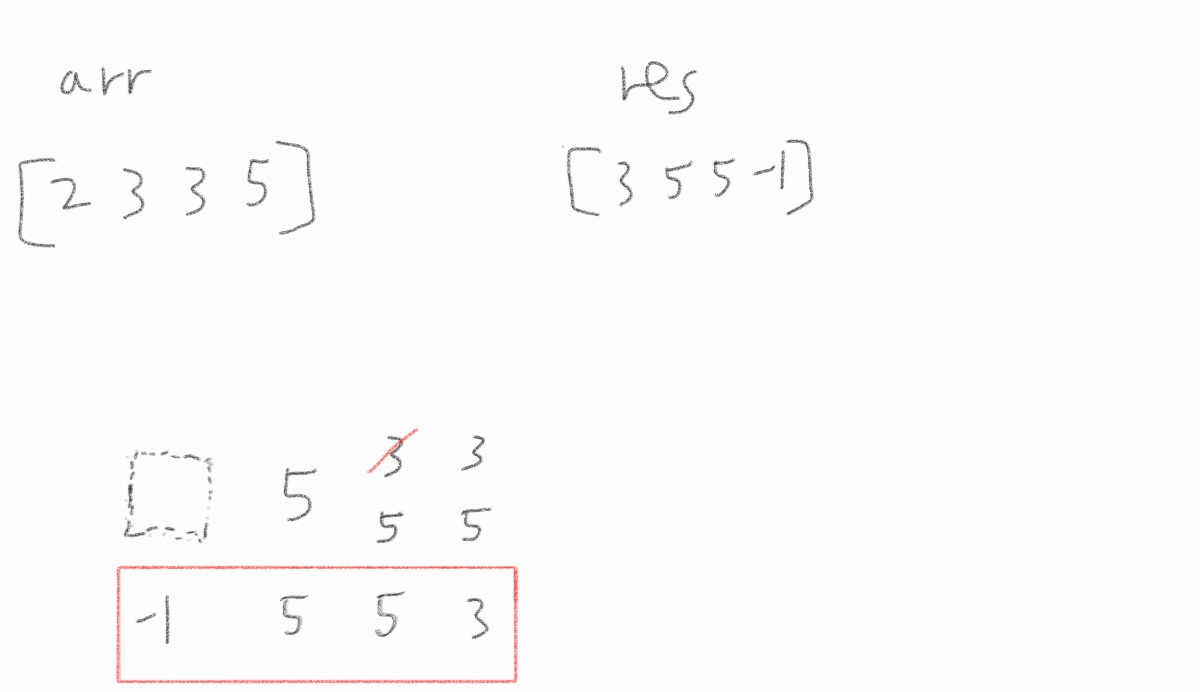
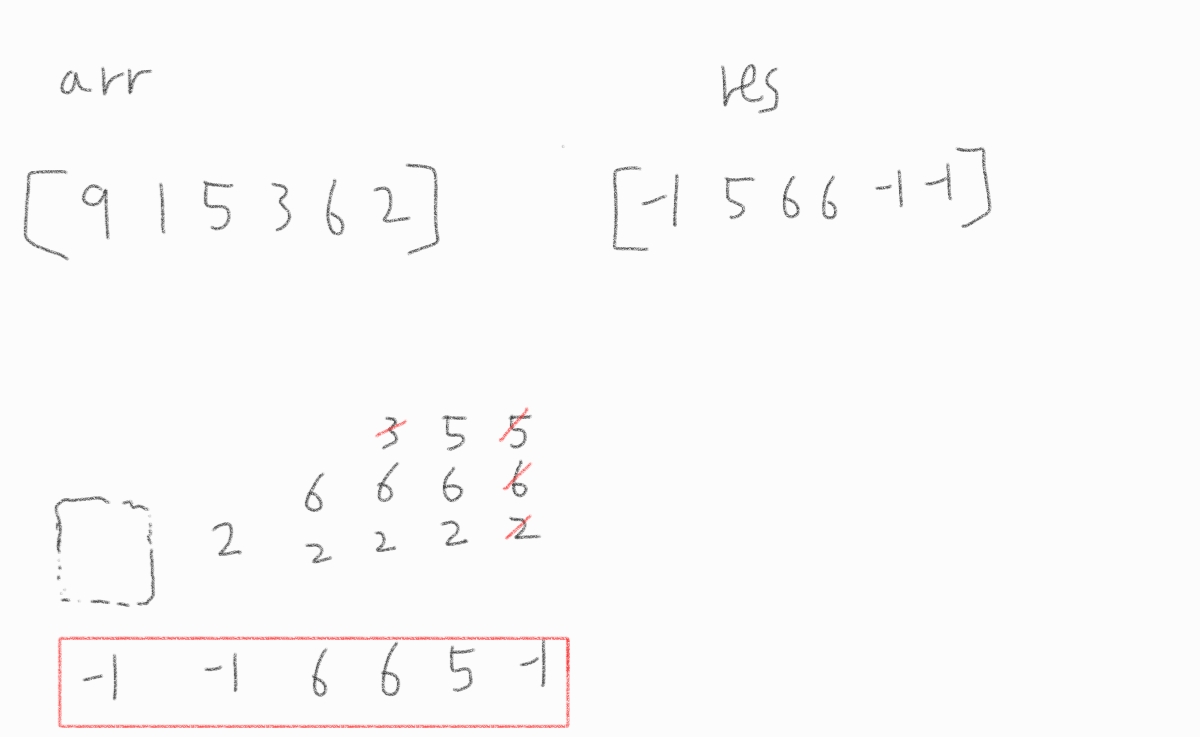
1. stack 생성
2. 배열 역순으로 검사
	2-1. while (만약 스택이 비지않았고, 현재 숫자가 스택의 꼭대기보다 크거나 같을동안 pop)

	2-2. 만약 스택이 비었다면?
	2-3. 그렇지 않고, 스택이 안비었다면?
	2-4. 스택에 원소 추가
3. 답
testcase-1
testcase-2
✅ 코드 (queue)
1
2
3
4
5
6
7
8
9
10
11
12
13
14
15
16
17
18
19
20
21
22
23
24
25
26
27
28
29
30
31
32
33
34
35
36
37
38
39
40
41
42
43
44
45
46
47
48
49
50
51
52
53
54
55
56
57
58
59
60
61
62
63
64
65
66
67
68
69
70
71
72
73
74
75
76
77
78
79
80
81
82
83
84
85
86
87
88
89
90
91
92
93
94
95
96
97
98
99
100
101
102
103
104
105
106
107
108
109
110
111
112
113
114
115
116
117
118
119
120
121
122
123
124
125
126
127
128
129
import java.util.Queue;
import java.util.ArrayDeque;


class Solution {
    static int answer;

    public int solution(int[][] points, int[][] routes) {
        answer = 0;

        // 1. 계산
        my_solver(points, routes);

        // 5. 반환
        return answer;
    }

    // 2. 함수
    static void my_solver(int[][] points, int[][] routes) {

        // 2-1. q 생성
        Queue<int[]> q = new ArrayDeque<>();

        // 2-2. 첫번째 routes[i][0] 좌표를 q에 저장
        int N = routes.length;
        for (int i = 0; i < N; i++) {
            int cur_route = routes[i][0]-1;
            int next_route = routes[i][1]-1;
            int sr = points[cur_route][0];
            int sc = points[cur_route][1];
            int target_r = points[next_route][0];
            int target_c = points[next_route][1];
            int route_idx = 0;
            int route_leng = routes[i].length;
            int robot_idx = i;

            // 2-3. 시작 r,c 다음 r,c 로봇 idx, 현재 로봇의 방문경로 길이
            q.add(new int[] {sr, sc, target_r, target_c, route_idx+1, route_leng, robot_idx});
        }

        // 3. 검사
        while (true) {
            // 3-1. 만약, q 없으면 종료
            if (q.isEmpty()) break;
            int[][] visited = new int[101][101];

            // 3-2. 그렇지않고, q에 원소가 있다면
            int cur_size = q.size();
            for (int i = 0; i < cur_size; i++) {
                int[] pos = q.poll();

                int cr = pos[0];
                int cc = pos[1];
                int target_r = pos[2];
                int target_c = pos[3];
                int cur_route_idx = pos[4];
                int route_leng = pos[5];
                int cur_robot_idx = pos[6];

                // 3-3. 방문 처리
                visited[cr][cc]++;

                // 3-4. 만약 현재좌표가 목표좌표 도달시 -> next_route_idx+1
                int next_route_idx = -1;

                if (cr == target_r && cc == target_c) {
                    next_route_idx = cur_route_idx + 1;
                }

                // 3-5. 만약 충돌시 -> 횟수 추가 (중복연산 방지)
                if (visited[cr][cc] == 2) answer++;

                // 3-6. 만약 next_route_idx 끝점 도달시 종료
                if (next_route_idx == route_leng) continue;

                // 3-7. 끝점 도달 못했지만, 현재목표지점 도달시 -> target 좌표 변경
                if (next_route_idx != -1) {
                    int[] cur = routes[cur_robot_idx];
                    int next_pos = cur[next_route_idx]-1;
                    target_r = points[next_pos][0];
                    target_c = points[next_pos][1];
                }

                // 3-8. 좌표 변경 (행우선, 열 그다음)
                int nr = -1;
                int nc = -1;
                if (cr != target_r) {
                    if (cr < target_r) {
                        nr = cr + 1;
                        nc = cc;
                    }
                    else if (cr > target_r) {
                        nr = cr - 1;
                        nc = cc;
                    }
                }
                else if (cc != target_c) {
                    if (cc < target_c) {
                        nr = cr;
                        nc = cc + 1;
                    }
                    else if (cc > target_c) {
                        nr = cr;
                        nc = cc - 1;
                    }
                }

                // 3-9. q에 다시 추가 (조건 2개)
                // 3-9-a. 만약 다음좌표 idx가 바뀌었다면?
                if (next_route_idx != -1) {
                    q.add(new int[] {nr, nc, target_r, target_c, next_route_idx, route_leng, cur_robot_idx});
                }
                // 3-9-b. 만약 다음좌표 idx가 안바뀌었다면?
                else if (next_route_idx == -1) {
                    q.add(new int[] {nr, nc, target_r, target_c, cur_route_idx, route_leng, cur_robot_idx});
                }


            }

        }


        // 4. 종료
        return;

    }
}
This post is licensed under CC BY 4.0 by the author.